Free quotes on containers, modifications, and delivery from www.SuperCubes.com: 1.877.374.5452

Containers – Surplus or Scarcity?

Posted: July 27th, 2010 | Author: Super Cubes | Filed under: Buy or rent | No Comments »

There is a myth in the container-purchasing world that containers are a magical, renewable, free resource.  Of course, that has never been the case, but never more so than now.  Right now the container industry is experiencing unheard of low supplies in the market.  Container availability is at historic lows.  As container markets dry up, container prices are on the rise.  For more information on these shortages, please refer to the following article:  http://www.ft.com/cms/s/0/9c028c3a-7a35-11df-aa69-00144feabdc0.html.

Let’s separate fact from fiction and tell you what that means to you if you are buying containers.

Myth:New Containers

Here are some of the most popular myths about containers:

  • Containers are free.
  • They have so many of them at the port you can’t see the sun.
  • The railroads just leave them by the side of the tracks.
  • My personal favorite – the $500 container.

None of these are true.

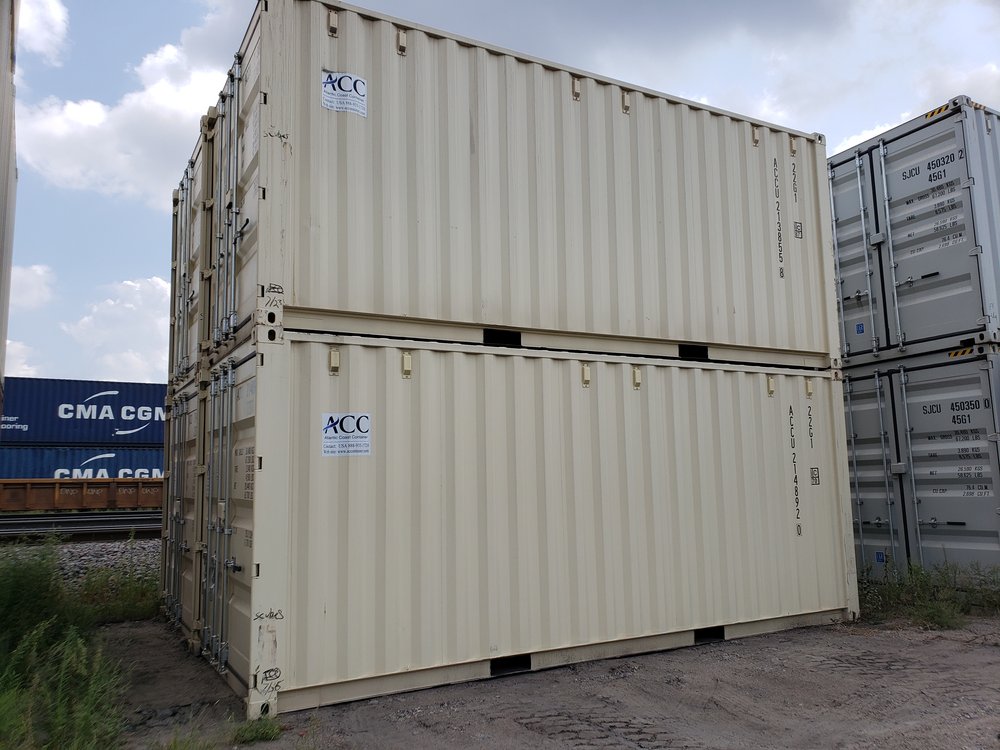
Containers at a depot

Containers at a depot

Fact:

Let’s take those claims one at a time.

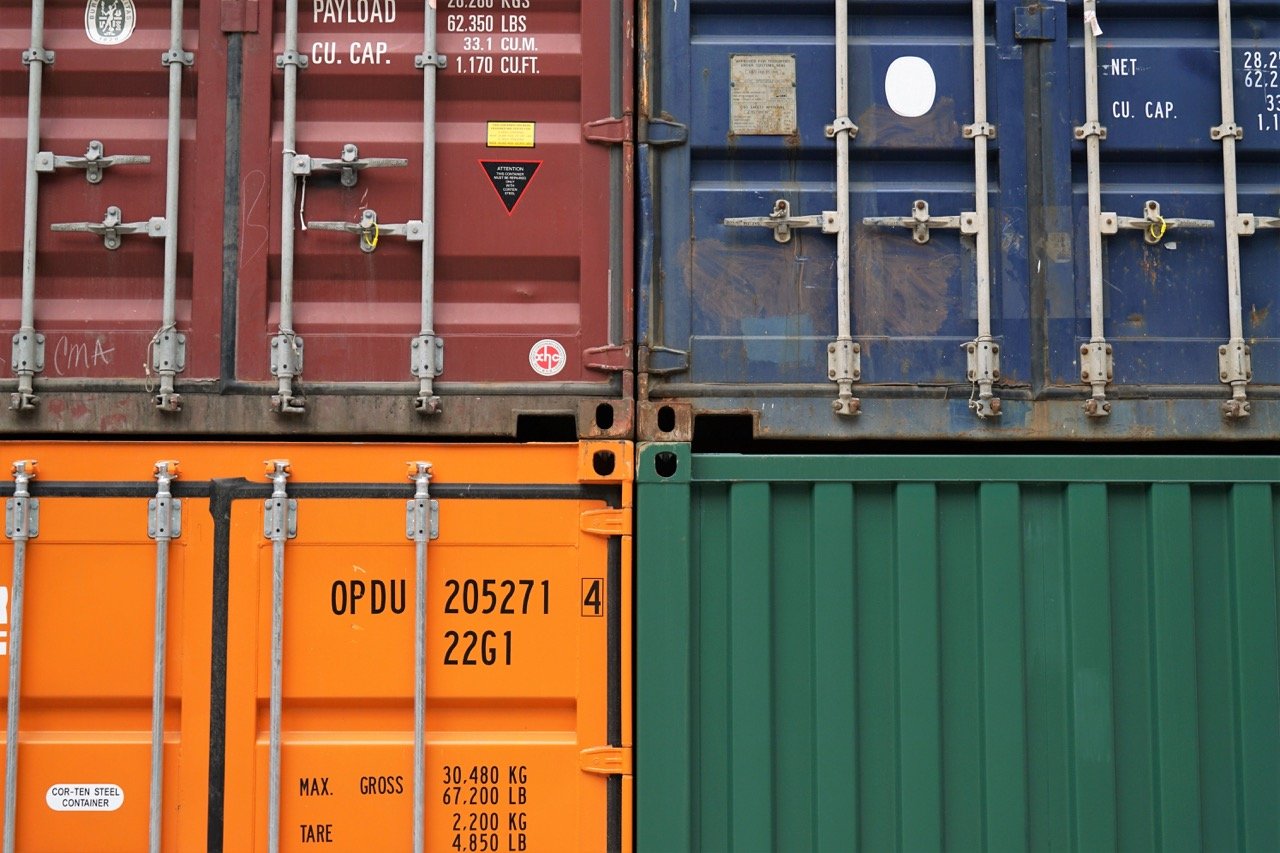
  • Containers are made of steel and are a commodity.  So naturally they have a value.  If they didn’t, you wouldn’t be reading this right now.  They are traded just like everything else you buy.
  • Ports may have many containers near them, but that does not mean that they are empty or available.  Shipping lines own those containers to provide to their own customers.  The containers you see at ports are either full, and are on their way to the customer who will unload them, or they are empty on their way to be loaded by a shipping line customer.  The shipping lines do sell their containers to brokers in the industry, and we in turn sell them to you.  But those sales make up a very small percentage of the containers that you see at the ports.
  • Railroads do no such thing.  First of all, why would they stop the train?  Second, how would they dump them along the side of the tracks?  Even if you go to a rail ramp, containers move more quickly in and out the same way they do at the ports, often on behalf of the shipping lines.
  • The $500 container.  That may have been true 10-15 years ago.  But containers are subject to inflation just like everything else.  The steel alone is worth more than that these days.  And in recent years, there have been more and more uses for containers beyond shipping lines.  That increase demand for used containers has only brought the price up.

So what does this mean for you?

Containers are a great option.  But, you are going to have to pay for them just like you would pay for anything else for your home or business.  Increasing your flexibility regarding where your container comes from, or getting on waiting lists for containers in your city are ways to cut down on costs.  Start looking for a container before you need it so you have time to get one in stock.  And whatever you do, don’t tell us you can get one for $500.

  • Share/Bookmark

What size container do you need? 5 Questions help you figure it out.

Posted: June 22nd, 2010 | Author: Super Cubes | Filed under: Delivery, Housing, Moving, Overseas Shipping, Shelter, Storage, Storage options, Tilt-bed, pole barn | No Comments »

You know you need a lot of dry, safe storage, but just how much is enough?  Ask yourself these questions and you’ll know:

1)      How much stuff do you have? Size up what you actually need to store.  The most common sizes of containers are :

20’ – 20’ x 8’ x 8’6” – or 1,169 cubic feet
40’ standard – 40’ x 8’ x 8’6” – or 2,385 cubic feet
40’ high cube – 40’ x 8’ x 9’6” – or 2,690 cubic feet

High cubes are nice if you are thinking about living in a container.  The internal height of a standard container is 7’8.5”, and a high cube is 8’8.5”.  Over time, you will feel that height difference.

Do one of these seem like enough to fit what you have?  If not, think about specialty sizes, but keep in mind that the cost on those containers adds up – bigger, more specialized trucks are required to deliver them and they may have to come from further away.

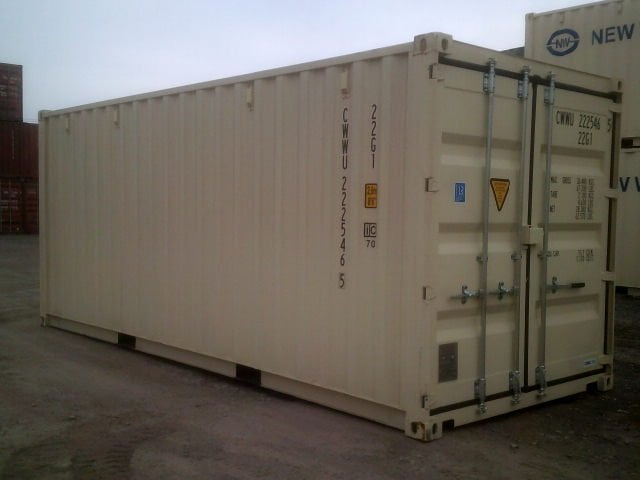
Used 20'

Used 20'

2)      Are you going to move the container around? If the answer to this is yes, think small.  A 20’ container weighs 5,000 pounds when it is empty, but is still small enough and light enough to be mobile.  20’ containers can be moved on a variety of trucks and even when they are full, can be moved by very heavy duty forklifts.

Once you jump up to a 40’ container, you will need a larger truck for moving it and when they are full, you will need a crane to lift the container on and off the truck.  Cranes mean money.  So even if you need the space of 40’s, think about 20’s.

3)       Are you going to ship the container overseas? If yes, even though the container is moving around, think about the 40’ or the 40’ high cube.  Usually there is a minimal extra cost to the larger size and you get to send more per cubic foot.  However, the delivery issues listed above still apply.  To get around this, most freight forwarders will pick up your container from a depot, bring it to you for loading, you load it while it stays on the truck, then they deliver it to the rail or port to ship.

40' container on a truck

40' container on a truck

4)      Do you have enough space to accommodate the size you want? Containers are delivered on tilt-bed trucks when you ask for ground-level delivery.  This means that the truck will back into the spot you want the container.  The back of the truck tips down and there is a winch on the truck to lower the container off of the bed of the truck and start setting it on the ground.  Then the driver pulls forward and finished setting the container on the ground with the winch.  All of this works beautifully – if you have enough space.  For a 40’ container, you will generally need 110-120’ of a straight, relatively flat area.  For a 20’ – 100’.  And don’t forget that the truck has to get to that spot.  Make sure you think about how the driver will pull in and pull out of your site.  Think about how firm and flat the ground is because delivering a container involves more physics than driving a truck across a ground.

Used 45' container

Used 45' container

5)      Do you still need more or less space? If you need more space, there are larger containers – 45’, 48’ and 53’ containers.  They are not available in all markets and require larger trucks than 40’s, so be prepared for additional costs.

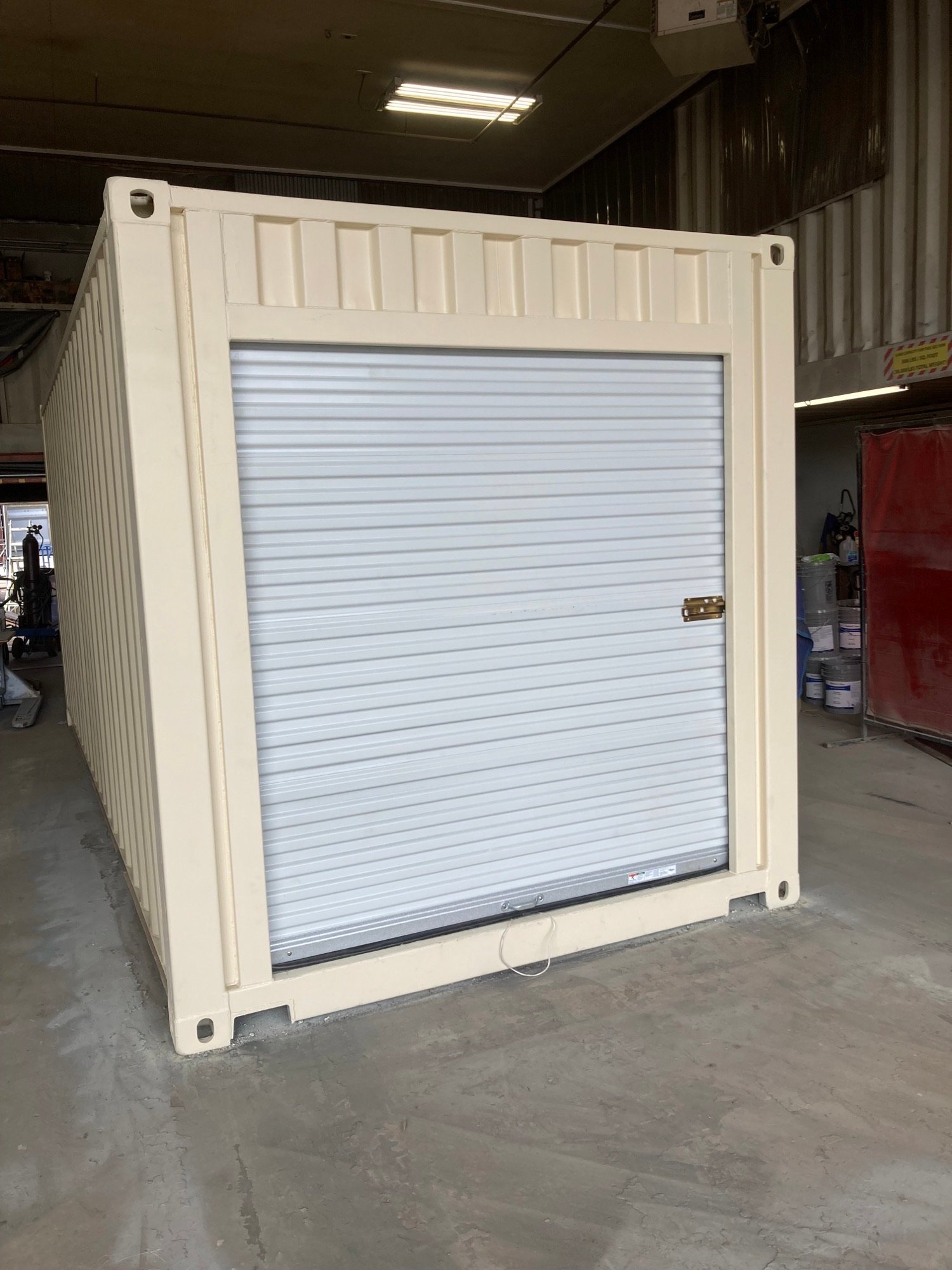
10' with roll door added

10' with roll door added

If you need less space, containers can be cut down for an additional fee.  Generally this process will add an extra $2000 dollars and the containers will still be delivered on the same truck.

If course this won’t answer everyone’s question on sizes.  Give us a call if you want to discuss it further!

  • Share/Bookmark

Container Delivery Basics: Tilt-Bed, Flat-Bed, or Chassis

Posted: May 27th, 2010 | Author: Super Cubes | Filed under: Chassis, Delivery, Flat-bed, Landoll, Overseas Shipping, Tilt-bed | No Comments »

So OK, you’ve found the steel container you need, but how do you get the massive thing delivered?  Here’s a guide to the three standard container delivery methods.

Tilt-Bed Delivery

Tilt-bed Landoll trailer with container

Tilt-bed Landoll trailer with container

A tilt-bed is the most popular delivery option, either with a straight truck or a tractor-trailer combo. The truck will back right into the place you want your container, the trailer will tip down, and a winch will lower one end of the container to the ground. Then the truck will pull forward as the winch lowers the other container end.

Pros: Your container is slid to the ground right where you want it.

Cons: Generally more expensive than other methods. While these trucks can pick up a lightly loaded 20’ container, they cannot pick up loaded 40’ containers at all.

Flat-Bed Delivery

Container on Flatbed

Container on Flatbed

Trucks with a long flat bed can hold either one 40’ container or up to two 20’ containers. A forklift or crane will set your container on the truck at the beginning of the trip and lift it off when it reaches your site.

Pros: Because your container will be loaded onto a truck that also carries other cargo, flat-bed delivery is a low-cost alternative, especially when the container needs to travel long distances.

Cons: You need to make sure equipment is available to load and unload your container.

Chassis Delivery

Container Chassis

Container Chassis

Pulled by a trailer, a chassis is a metal frame with wheels designed to carry containers securely. Shipping lines use them (along with special fork-lifts) to bring containers to customers for loading and unloading. If you ship cargo overseas, this is usually how the container will arrive.

Pros: Low-cost way to move a container. The tractor disconnect easily from the chassis, which gives added flexibility if you need some time to load and don’t want the driver to have to wait. In some cases, chassis are the only delivery means acceptable to ports or rail lines.

Cons: You must load the container while it stays on the chassis or have some means of lifting the container on and off the chassis. When a container is on a chassis, it is dock height. Lifting a 40’ steel container on a chassis requires a crane.

Your best delivery option will depend in part on how you will use your container. Talk it over with your container vendor or shipping agent. As always, Super Cubes is happy to offer friendly advice geared to your needs.

  • Share/Bookmark

5 Tips for Planning Your Container Root Cellar or Storm Shelter

Posted: May 12th, 2010 | Author: Super Cubes | Filed under: Buy or rent, Modifications, Root cellar, Shelter, Storage, Storage options, storm shelter | No Comments »

Here’s your idea: Get a steel container and bury it as a root cellar, storm shelter, or both. You have the land. Now you need a plan. Here are the 5 things you need to consider to make your container cellar or shelter a reality:

1)       Zoning. Are there any state, county, or city zoning laws that would restrict where or how you bury a container?  This may vary depending on where you are, what the ground is like in your area, and how far into the ground you want to go. You can go the range from buried underground, nestled into a hill or embedding the container just far enough into the ground to be secure. Either way, zoning rules may apply. Start with a quick search of your city and county websites, then follow up with phone calls to offices listed on the sites. Take notes on the calls—and as decisions are made, “get it in writing” if you can.

2)      Placement. Is your plan to bury the container completely? Just far enough that a tornado won’t send it to Oz? In working out placement details, be sure to think through how you will use your container. If it will be a root cellar, will you build your container into a hill with steps and a door? If it will be an underground storm shelter, how will you provide access in and out? Keep in mind that the more deeply a container is buried, the greater the planning.

3)      Structure. If you will bury your container, even partially, how will you ensure that it withstands the pressure of earth? Containers were made not to be buried, but to be stacked on a ship. Only the four corner posts of a container are load bearing, with the sides strong enough to support only the roof. You’ll need to plan on building a retaining wall around the container location. Be sure to include drainage so that heavy rains won’t leave your container submerged in water. If your cellar or shelter calls for completely covering your container’s roof, you’ll also need to build a platform to push all the weight to the 4 corner posts (products are on the market to do this). Never simply bury a container or it will collapse.

4)      Moisture. Containers are wind and water tight, but think about how you will prep your buried container against earthen moisture. The container floor has treated plywood on steel cross-members. You will want to seal under the floor—and probably will want to set it on a cement slab foundation. In addition, you will need to seal your container with roofing tar, plastic tarps, or truck bedliners (such as RhinoLinings). A little research will help you find the most cost-effective solution for your container use and location.

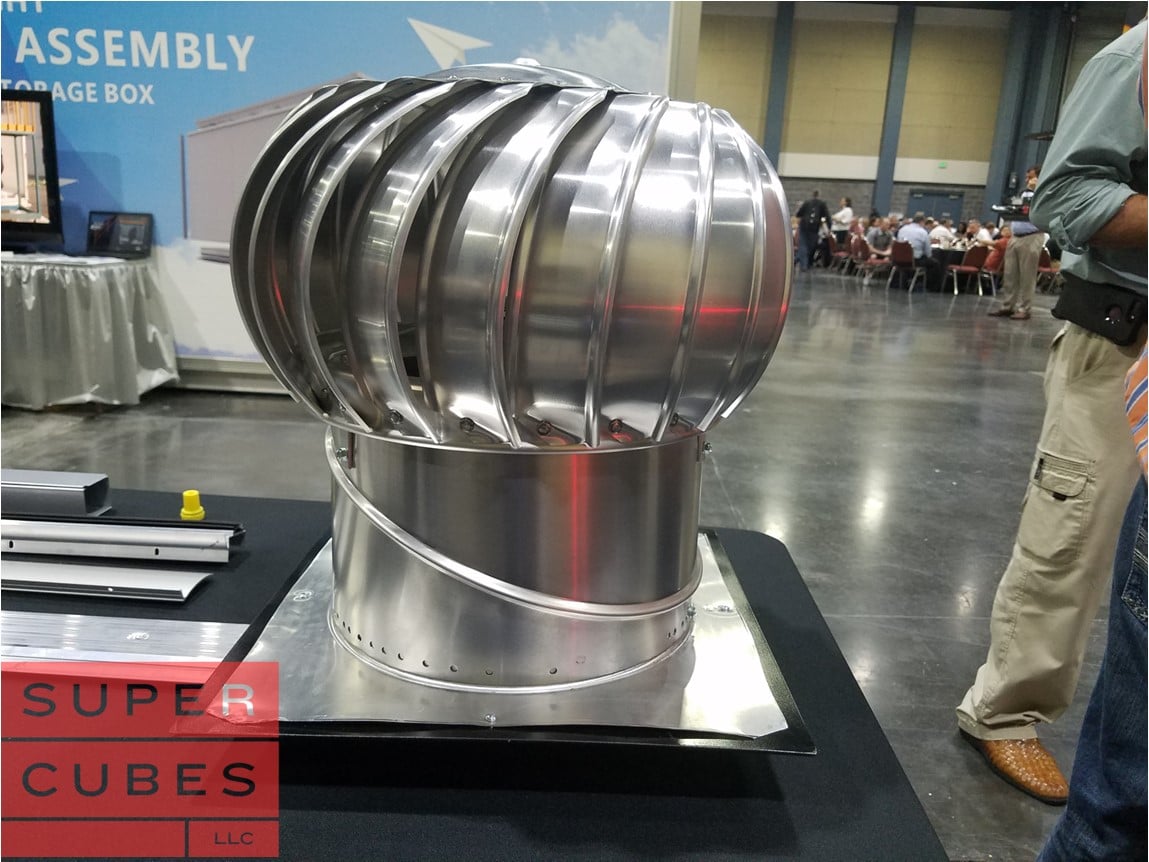
5)      Ventilation. If you’re turning your container into a storm shelter, you’ll want to make sure it will have good ventilation and air flow for the people who will use it. You’ll also want to add an extra door—ideally a man-door with a panic bar so it can be opened safely from inside and so that no one can be accidentally locked in.

For an example of one being installed, see this video.  They approached some of the issues listed above a little differently, but it still provides some great ideas.

Once you have your container cellar or shelter in place, the rest is pretty easy—making sure your root cellar has the right humidity level for vegetables or that your shelter is outfitted to work well as a storm refuge. If you’re just beginning to start your cellar or shelter project, please keep in mind that SuperCubes offers a variety of kits to help you modify your container—and we’re always happy to provide friendly advice as well.

  • Share/Bookmark

Do It Yourself Container Modifications

Posted: April 27th, 2010 | Author: Super Cubes | Filed under: Cabin, Housing, Modifications, Office, Storage options, Unique Container Uses | No Comments »
Container office (with large HVAC)

Container Office

You’ve got the plan in your head – get a container, add doors, windows, or other simple improvements, and then you have your container office, shop or cabin.  You’re handy, know your way around a do-it-yourself project, but where to start?

Inside modified container part 1

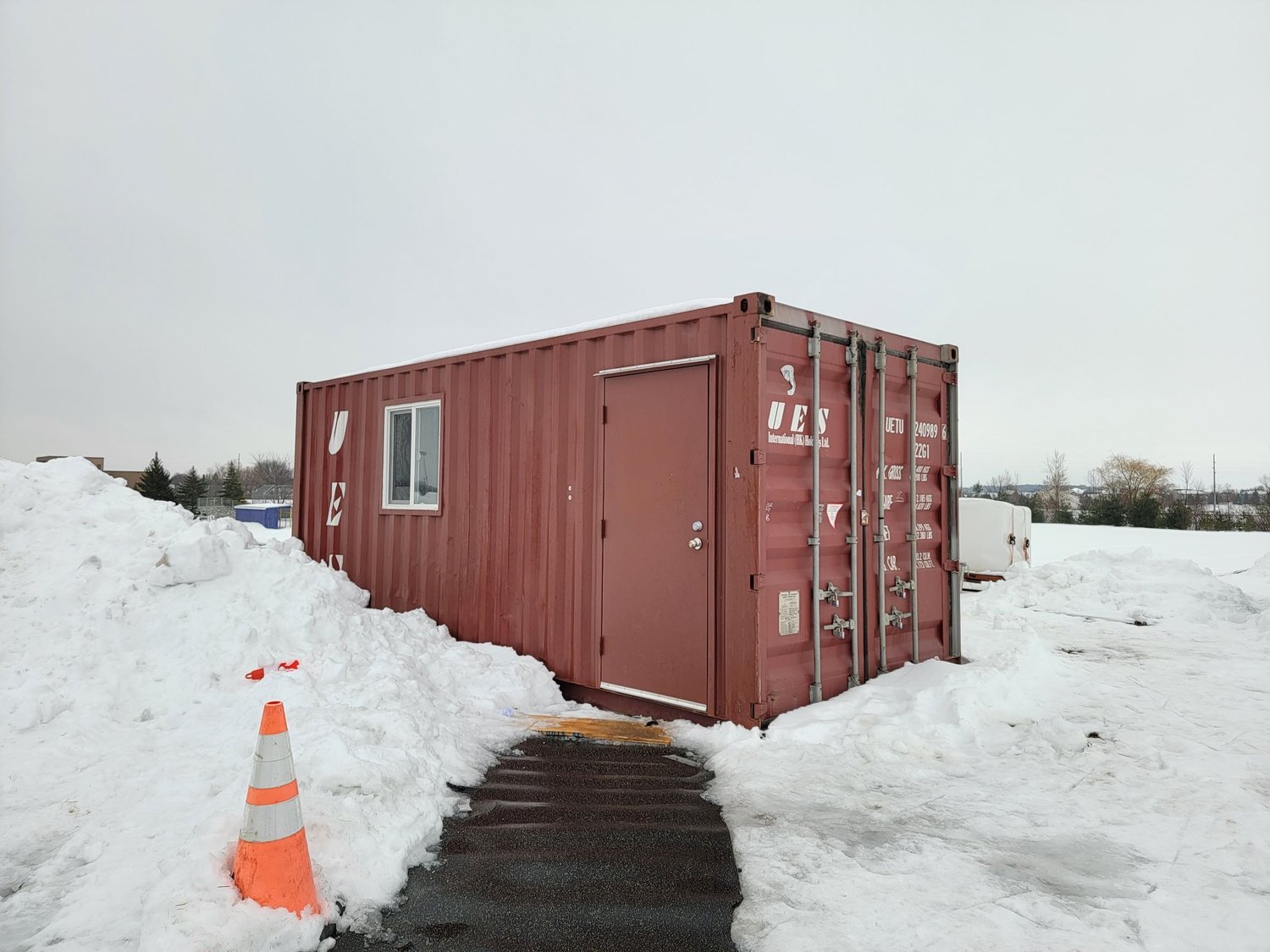
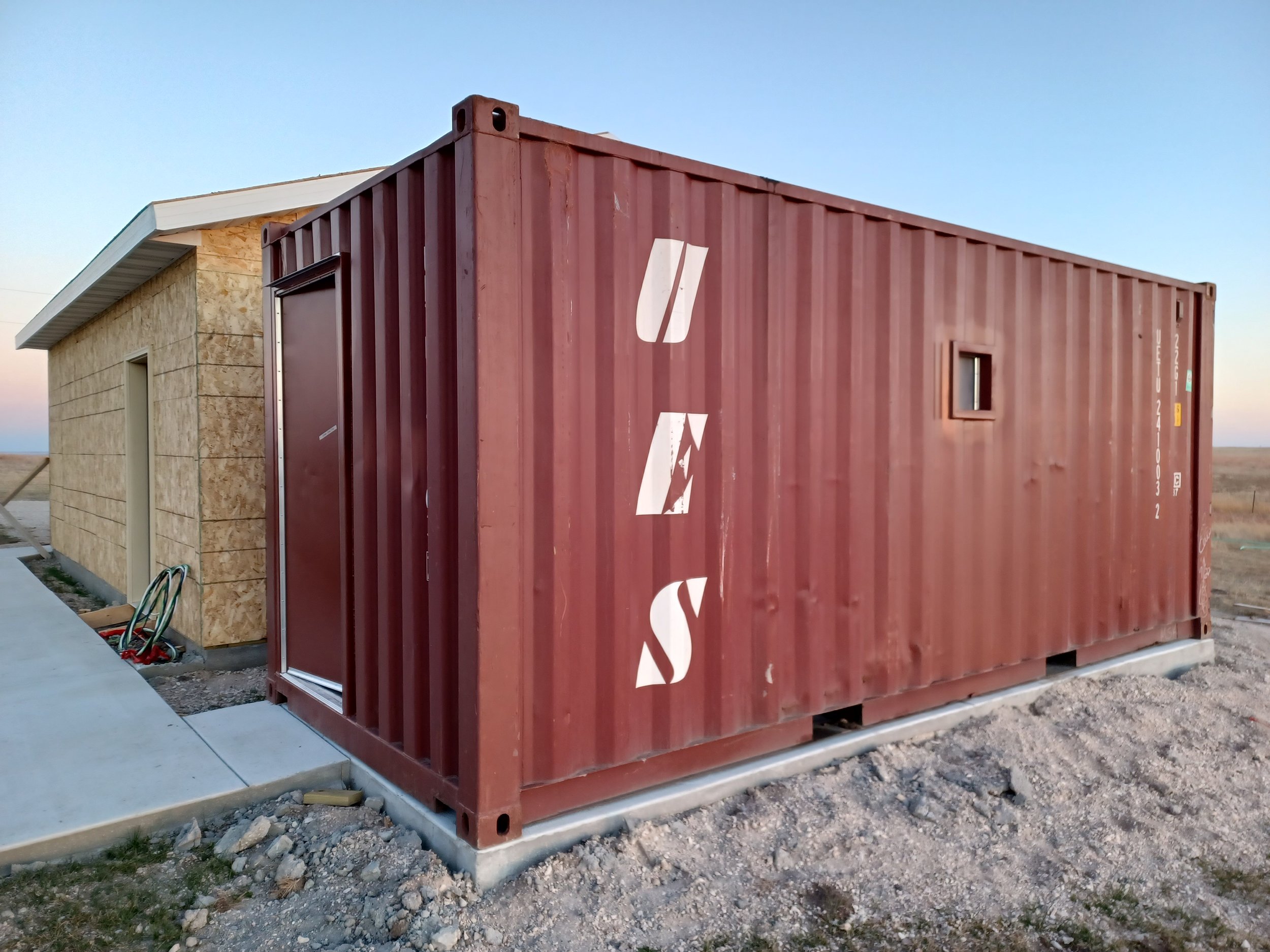
No need to reinvent the wheel—container modification kits will come with everything you need to install a door, window, partition, AC, insulation or even a sky light.  See the pictures below for ideas.    You provide only the cutting and welding skills.

1)      You configure the kits that suit your plans. The basics include a lockbox, man-door (steel, 3 feet wide), a roll-up door (6’, 7’ or 8’ wide), windows, insulation, AC with a cage, etc.  Order them from your friendly container store (Super Cubes has all the kits and free DIY support).

Inside modified container part 2

2)      When the kit arrives, it will include the parts you ordered along with installation frames (not needed for insulation or partitions).

AC in kit

AC in kit

3)     Cut a hole in the container to the size noted in the instructions. (Tip: Borrow or rent a plasma cutter, which whirs though steel using only air and electricity.)

Instant shelving organizes a container quickly

4)     Weld in the frame, which fits neatly to the container’s corrugated steel.

Cage for AC

Cage for AC

5)      Install the door, window, skylight, or whatever.

Kits take all the guesswork out of framing a wind- and water-tight add-on into your container. Container kits also solve problems you might not have considered.

Roll-up door with lockbox

For example, the AC kit comes with a frame, air conditioner, and a cage to weld over the AC so that no one could pull it out and potentially gain access to your container.

Roof between containers

With kits providing everything you need, you can have exactly the container office, shop, or cabin you imagine—foolproof and frustration free.

Office Container

  • Share/Bookmark

Super Cubes in the US

Posted: April 20th, 2010 | Author: Super Cubes | Filed under: Buy or rent | No Comments »

We like to hear about where our containers end up.  No two customers are alike, so we like to hear how you are using them.  Here are some examples of our containers in use:

1)       Bright Hope International.  Bright Hope is sending off their second shipment to Haiti.  Bright Hope had already been helping build the Haitian economy with microloans before the earthquake.  Since the earthquake, they have been sending supplies and increasing their microloan efforts to help Haitians get back on their feet, while continuing to ship needed supplies.  Visit their website for more information: www.BrightHope.org

2)       Arizona correctional facility.  One of our customers is using one of our containers for storing office supplies and furniture at their facility.

Extra office furniture storage

3)      Florida retreat.  Another customer purchased a 20’ container for his land in Florida.  After getting the container, he painted it and is planning on camouflaging it this summer.  See it while you can!

Used 20' container in Florida

Painting it makes it blend in more

4)      Goat farm.  A client in Maryland needed a container on their hobby farm.  Even the goat likes it!

The dog and goat are used to the container

Send us your container pictures.  Even if you didn’t buy it from us, we still like to give people ideas on how to use these versatile containers.

  • Share/Bookmark

Container Living: Cabins, Huts, Offices & Homes

Posted: April 13th, 2010 | Author: Super Cubes | Filed under: Cabin, Housing, Office, Storage options, Unique Container Uses | No Comments »

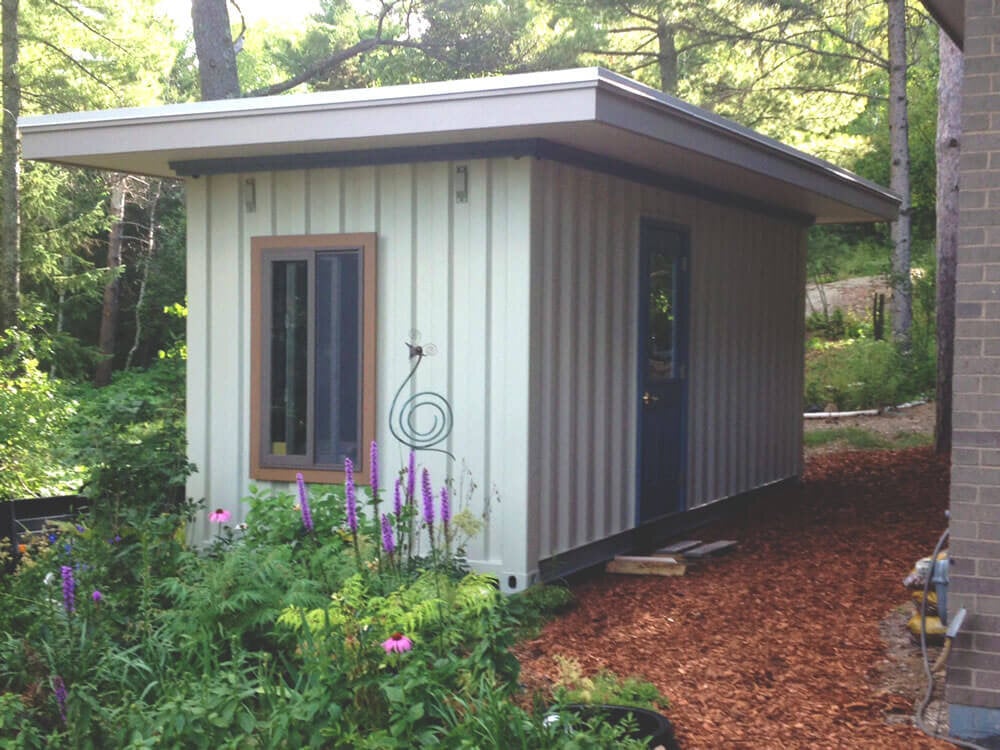
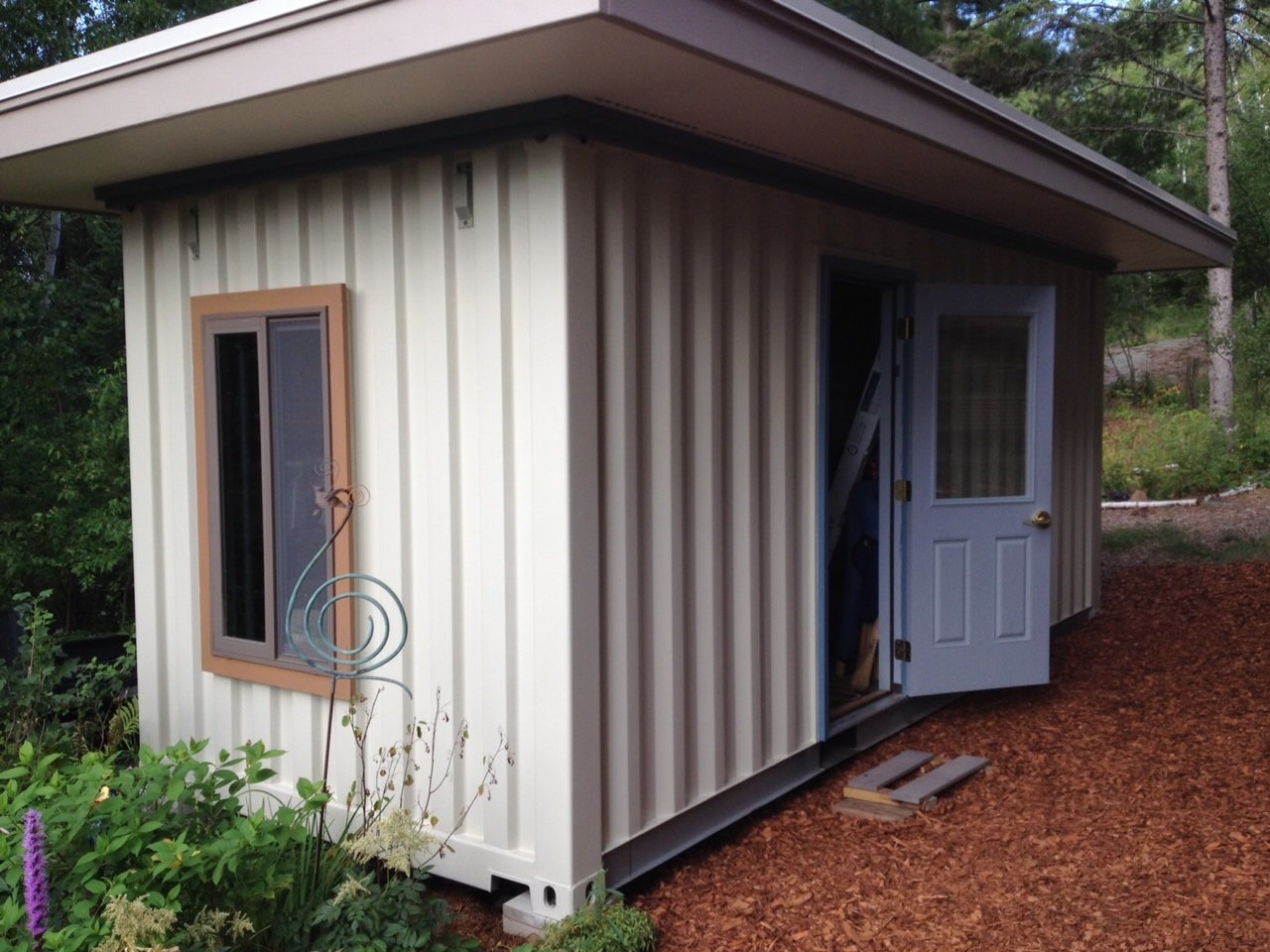
Living inside the box is a hot trend for a good reason: Steel shipping and storage containers make smart, tight huts, cabins, offices, and homes. Container living is eco-friendly, offers lots of flexibility, and can save a bundle if you keep it simple. And the options for cool container houses are almost infinite.

Huts

A hut is your basic shack in the woods (or your backyard) for keeping dry and sacking out on a cot. It won’t be pretty, but it will do the job. Just paint it with SuperTherm, an insulating ceramic paint, add a door, and a window or two. You can go unplugged or rig basic electrical (anything from an extension cord if you are on the grid to a small generator if you are more remotely located).

Cabins

Here’s where your container becomes a livable dwelling. Besides the hut-like basics, a container cabin will have more creature comforts—larger windows, maybe better electricity, and more insulation and an HVAC system for extra comfort (steel containers do conduct heat and cold). It’s a do-it-yourself project to put up rigid-foam insulation and paneling as well as partitions for rooms. As with any cabin, you can put in plumbing. Beyond that, it’s all about adding amenities (from awnings to skylights and decks) to give your hunting/lake/ski cabin good looks and charm.

Offices

A container-based office, work shed, or studio can be a modified cabin, designed around the work you do. But often container offices mean mobile work space. Construction trailers, sales offices, security offices, portable classrooms, temporary medical clinics, or event offices are just a few of the many possibilities. These can be delivered already customized to suit your needs, making these the most hassle-free container conversion projects.

Homes

Container housing has caught on for many reasons. Containers make strong, secure, indestructible building blocks for full-featured houses. Container homes are a green and efficient housing choice, and they lend themselves to very cool living spaces.

Container housing can be quicker than traditional building. But keep in mind that turning a container into a full-featured home is still about building a house, with many of the same costs. If you’re looking for a full-featured home that will look great and blend in with your neighbors’, you’ll need both an architect and engineer. You’ll need proper footings and foundation, as well as full plumbing and electrical, flooring, HVAC, and all the rest.  Building a container home is going to cost at least as much as a traditional home, so this is generally not a decision based on money, but rather other factors.

You’ll also need to contend with layout and design issues that may quickly get structural, especially if you’re combining two or more containers. Containers aren’t designed to be chopped apart. You may need to add support beams to maintain structural integrity (and sometimes jams, headers, and sill posts as well).

The good news is at the end of the day, you’ll have a truly unusual dream home that’s as strong, secure, and eco-friendly as any house around. It will be impervious to fire and if properly anchored, able to withstand earthquakes and hurricanes. Nothing against ordinary houses, but its hard to say any of that about the rambler down the street.

  • Share/Bookmark

5 Reasons Steel Containers Make Great Toolboxes

Posted: March 30th, 2010 | Author: Super Cubes | Filed under: Construction, Storage options, Toolbox | No Comments »

The snow is melting, the ground is greening up, and you’re raring to get going on your construction projects, even after adjusting for tougher economic realities. You need to keep a lid on costs and you want to be smart about storing your tools and materials. You may have noticed that steel storage containers are being used more and more on construction sites—not just by the general contractors, but by subs as well.  That’s because they make great toolboxes, and here’s why:

1.  Reliable Security. Containers are far and away the most secure way to store tools and materials on a job site. Constructed of heavy-duty steel, they’re indestructible. Add a lockbox and only a plasma cutter could have a chance (not a common tool for the common thief).

2.  Storage Where You Need It. You can have your materials delivered directly to the job site, saving you money and hauling headaches over the long run. Everything will be kept safe and dry from Day 1 to the end of construction.

3.  Time Savings. Your workers won’t have to go back and forth from your location with company trucks or wait for co-workers to show up with the tool that got put in another guy’s truck.  Everything they need will be right on site and ready to go every morning, rain or shine.

4.  Added Work Space. On bad-weather days, you and your team can use the container as a dry workshop right on site.

5.  Mobility. When the job is done, you can move the container to your next job site … with the tools right in it. (For this, we recommend the 20’ container, easily movable by tow trucks).

Your tools will be safe, secure, and right where you need them. The cost savings will add up. And as a bonus you can paint your container with your logo and company colors—an instant on-site billboard, great for your business and a productivity booster for your team.

  • Share/Bookmark

Cool Container Camera

Posted: March 19th, 2010 | Author: Super Cubes | Filed under: Unique Container Uses | No Comments »

Check out this cool container!  www.cr8yourworld.com is promoting their project with this working camera!

  • Share/Bookmark

Containers vs. Sheds, Pole Barns, and PODS

Posted: March 16th, 2010 | Author: Super Cubes | Filed under: Buy or rent, PODS, Storage, Storage options, pole barn | No Comments »

OK, you’re thinking storage. Over easy, hold the hassles.

What are the options?

There’s that ready-to-assemble shed you saw at Home Depot … or that pole barn kit from something-dot-com … and those portable storage PODS occasionally trucked on and off neighbors’ driveways.

But wait—what about a steel container? If it’s not on your list, maybe it should be. Yeah, we admit we’re biased. But it’s a fact that steel containers have many advantages compared to other storage solutions.


Storage solution Pros Cons
Sheds
  • Prefab kits available locally or online
  • Buy with installation option or DIY
  • Usually easy delivery
  • Height and width options
  • You can pick options to fit your needs – windows, color, shelving, etc.
  • DIY may take many weekends
  • Site prep (crushed stone bed or cement slab)
  • Many not very sturdy (cheap metal, waferboard, or plastic)
  • Premium cost for durability
  • Upkeep/lifespan issues
  • Often building code issues (may need building permit)
  • Not moveable

Pole Barns
  • DIY kits available locally or online
  • Can customize design & size
  • Versatile to fit your exact needs
  • Building costs add up fast
  • Long lead time
  • Site prep (may need cement slab)
  • May be overkill for your needs
  • Need building permit
  • Not moveable

PODS
  • Easy delivery
  • Ready to store in a warehouse
  • Rent only (a few suppliers sell, but prices match containers)
  • Not highly sturdy or durable (plywood walls, translucent plastic tops tacked on top)
  • Limited sizes (biggest is 16’ x 8’, smaller than the smallest steel container)
  • Designed to store in a warehouse, not outside
Steel Containers
  • Come ready to use
  • Relatively cheap
  • Delivered exactly where you want it
  • No building permit issues
  • Many customization options (paint, doors, windows, vents, lights, shelving, etc.)
  • Indestructible (14-gauge corrugated weatherizing steel)
  • Highly secure
  • Hardwood floors with steel support beams
  • Big enough for cars, boats, contents of 3-bedroom house
  • Moveable
  • Use for storage or for housing
  • Fixed height and width (8’ wide x 20’ or 40’ long)
  • Costs higher in some locations (usually  due to delivery more than anything else)
  • Some zoning issues

You know your storage situation best, but hopefully this table can help if you were on the fence about which style to go with.  If you want more information on containers, please visit our website (www.SuperCubes.com) or call us (877-374-5452)!

  • Share/Bookmark