
What to Know Before Buying a Shipping Container for Your Jobsite
When it comes to keeping your jobsite organized and your equipment and materials secure, investing in a shipping container can be a game-changer. However, not all containers are created equal, and it’s essential to do your homework before making a purchase. Think about your specific needs: how much space you'll require, what items you'll be storing, and how often you'll need access to them. When you take some time to assess these factors, you’ll be able to find a container that fits your requirements perfectly, which can ultimately save you money and prevent getting a container that doesn't work for your team.
With a bit of planning and consideration, you can ensure that you end up with a shipping container that meets your jobsite's needs.
How You Plan to Use the Container Matters
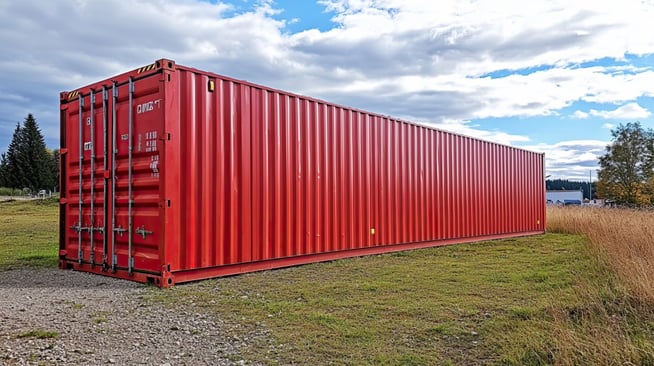
When it comes to using a container on your jobsite, how you plan to use it really matters. Different projects might have different needs, so figuring out how you'll use the space can help you pick the right size, type and amount of containers. Plus, understanding all the different ways to use containers can make your work easier and keep things organized.
Here are some typical jobsite applications for shipping containers:
- Tool Cribs
- Jobsite Offices
- Equipment and Materials Storage
- On-site workshop
- Employee Center
- Staff Breakrooms
- Bathroom Building
- Customer’s Storage
Having a clear vision and plan for your container and how you want to use it on your jobsite is essential to making the right selection. Intended usage will dictate the next essential considerations, including appropriate size, condition and modifications needed to make your container work for you and your team.
Shipping Container vs. Trailer: Which Is Best for Your Jobsite?
Real Jobsite Example: How Containers Can Support Daily Operations
Commercial and construction job sites are active, fast-paced, and demanding environments; crews need quick access to tools, materials, and equipment, but also need to keep them stored, secure, and protected from the weather and theft. Instead of investing in temporary structures, shipping containers can be placed near active work areas to create secure, on-site storage.
With the right container sizes and a well-planned delivery layout, teams can move materials, equipment, and supplies efficiently throughout the day while keeping everything protected after hours. This kind of setup can help reduce downtime, improve organization, and keep projects moving forward.
Choosing the Right Size for Your Site
Once you determine how your shipping container(s) will be used on your jobsite, it's time to choose the right size. The right size will not only improve functionality for your team but also ensures a seamless integration into your environment.
From standard containers to specialty options, Super Cubes offers many different sized containers to support your needs.
Shipping Container Sizes for Jobsites
- 10ft for tight spaces or small crews
- 20’ shipping containers for standard jobsite
- 40’ shipping containers for larger projects or bulk storage
- Duo-Con shipping containers versatile option for unique applications
- High-Cube shipping containers available in 20 ft, 40 ft, or 45 ft sizes for extra height
- Open-Side shipping containers for easy access to stored items
- Open-Top shipping containers for storing and moving minerals and materials
When measuring and deciding on the size of a container for your jobsite application, be sure to consider room for delivery access and doors to swing open.
What’s the Difference Between New vs Used Containers
Another important thing to understand when buying a shipping container for your jobsite is whether you should get a new container or a used container. We'll break down the differences here so you can have a better idea what's ideal for your team.
New (one-trip) Shipping Containers
New, one-trip shipping containers are used for a single overseas shipment before being sold. This means they arrive in near-new condition with minimal wear and tear. New shipping containers will have solid structural integrity, tight seals, and a clean interior.
While they come at a higher upfront cost than used containers, the improved condition and longer lifespan often make them a worthwhile investment.
How to Shop Smart for New Shipping Containers
Used Shipping Containers
Used shipping containers are typically sourced from shipping lines that transport goods and materials. Historically, shipping lines use containers for 8–14 years before selling them. As a result, used containers show more wear and tear, including rust and dents, and are generally less structurally sound than new containers.
That said, used containers offer significant cost savings compared to new, one-trip containers and can be a viable solution for many use cases.
If you're unsure about what condition container is ideal for your jobsite, reach out and our team can help you determine the best fit for your needs.
Understand the Logistics of Container Deliveries
One aspect of buying shipping containers for your jobsite that is often overlooked is delivery, but it's imperative to factor in this component as it affects everything from budget, necessary preparations and realistic timeline.
How Delivery Can Impact Your Total Cost
When purchasing a shipping container for your job site, it's important to understand how delivery fees contribute to the overall cost. Factors such as the distance the container will travel to reach your site and the type of delivery truck used can significantly affect the total price of your container or containers.
Proper Site Preparations
Other important delivery factors to determine prior to your delivery include jobsite access and turning radius, which influence the required delivery truck method. Making sure that your jobsite is prepared for delivery by prepping and leveling the ground. You'll also want to determine if your container will be placed directly on the ground or if you will need to build a foundation for it to be placed on.
A reputable shipping container vendor will provide clear details on how delivery works, associated costs and timelines. They will ask questions to ensure your jobsite is properly prepared for your container's delivery. If you are not getting clear feedback and information needed regarding delivery, it could be a red flag that your shipping container vendor is not as qualified as you need.
 Security Features Worth Considering
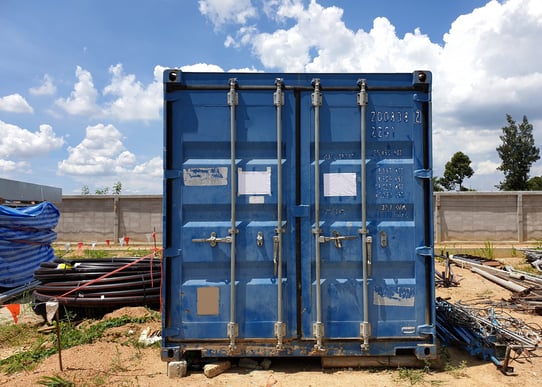
Most construction sites have valuable equipment, expensive tools and costly materials stored on site. This is why security is essential to protecting materials from weather and theft. Sturdy and durable shipping containers are a great solution to protecting your jobsite items, but additional security factors should be implemented to ensure items stay protected.
Security features that are common for construction environments and jobsites include:
- Lock boxes
- Heavy-duty padlocks
- Window security bars
- Strategic on-site placement
Keep Tools and Equipment Secure with a Container Tool Crib
Best Modifications for Jobsite Efficiency
Modifications can take your container from an empty box to an efficient storage or workspace solution on your jobsite. Some of the most commonly used modifications that really add value to construction sites include:
- Shelving and racking
- Lighting and electrical
- Ventilation
- Roll-up doors
- Insulation (for year-round use)
Planning to use your containers for a jobsite office? Find out more about modifications for this use case here.
Avoid Common Container Purchasing Mistakes
We've covered the what-to-dos when purchasing a shipping container for your construction jobsite, now, how about what you need to avoid doing to prevent costly mistakes and having a container that does quite work for your plans.
When buying a container make sure you avoid:
- Not measuring space
- Ignoring delivery access
- Buying too small
- Forgetting future growth of the project
- Not working with a reliable container vendor
Get the Right Container From A Trusted Source
When you get the right container for your jobsite it quickly becomes a long-term asset for construction companies by adding storage, improving organization, and enhancing security and efficiency. Asking yourself the right questions will ensure you get a better understanding of what size and condition of a shipping container will work best for your application.
When you partner with a trusted shipping container provider, like Super Cubes, you’re not just getting a shipping container; you’re tapping into an industry expert who makes the entire purchasing and modification process easier. We can help you determine which type and size of container will work best for your jobsite.
If you’re planning a project and want help choosing the right container size, condition, and delivery setup, our team of experts can walk you through the options so you can purchase your job-site containers with confidence.

Super Cubes is a family-owned business located in Minneapolis, MN, that provides containers anywhere in the continental US. We offer personalized service for individuals and businesses, providing high-quality containers at competitive prices. With nationwide facilities, we can modify and deliver containers close to you. Contact our experienced team for your next container project.