
How Many Shipping Containers Do You Need for Your Project?
For companies and organizations that count on shipping containers for storage and other business operations, knowing how many you need to operate efficiently is crucial. Container quantity affects everything from budget, workflow, and efficiency. Order too few and you might have bottlenecks, order too many and you've tied up funds.
In this article, we will walk through how to estimate needs across different industries so you can get your next order just right.
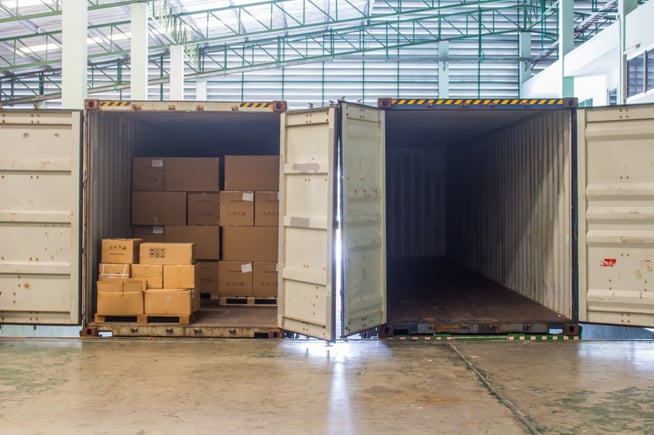
Why Container Planning Matters Before You Order
When it comes to planning how many containers to order for your project, strategic consideration really matters. Ordering too few containers can stall operations and drive up costs through rush logistics if more are needed mid-project. Order too many and you're paying for space you don't need.
For commercial, construction, and warehouse operations, container quantity directly affects project timelines, site layout, budgeting, and vendor coordination. Getting this number right from the start isn't just about being efficient; it protects your bottom line.
How to Determine How Many Shipping Containers You’ll Need
Project Type and Use Case
When planning your shipping container project or storage solution, one of the first considerations for ordering the right quantity is the type of project and specific use case. The amount of shipping containers you'll need can vary widely depending on whether you’re setting up construction site storage, managing manufacturing inventory overflow, or organizing seasonal retail stock.
For instance, small-scale projects may only need a few containers, while larger, long-term needs likely necessitate a greater number. So, assess the duration of your project, and the volume of items or inventory you need to store to determine the ideal number of containers for your specific situation.
Amount of Materials and Equipment
If you are using shipping containers as a storage solution, you'll need to determine the amount of goods, materials or equipment that need to be stored. And in most cases, it's not how much you can pack into the container, but how much you can fit into the container while still having a usable space to get in and out and move contents around as needed.
Learn more about how much you can fit into a shipping container
Container Size
When determining how many containers to order, you'll need to decide which size and configuration are most appropriate for your use case. Do you need several smaller 10-foot or 20-foot containers, or a couple of larger 40-foot containers?
The decision should reflect the specifics of your project or use case, ensuring that your choice is both practical and efficient.
Read our guide on 10 Shipping Container Types and learn all about the different sizes available.
 Site Space
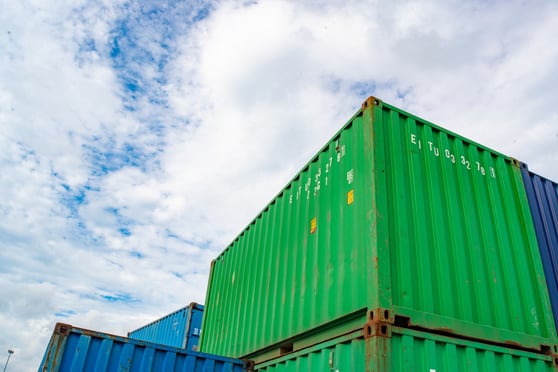
Another important consideration when determining how many containers to acquire is how much space you have to work with. Will they be placed on an active job site, a warehouse yard, or in a section of your business's parking lot?
Measure your available footprint carefully, and be sure to account for working clearance around each container, including enough space for doors to swing open fully and access for any equipment or foot traffic that needs to move through the area.
For long-term storage needs, stacking containers can be an option worth considering. Stacking reduces your overall footprint and allows you to store more within the same square footage; just ensure your surface can handle the load and that you have the equipment on-site to stack and access them safely.
Multi-Container Use Cases by Industry
Construction Projects
In the construction industry, the number of containers required can vary significantly based on the size and scope of the project. For smaller jobsites, 1 to 2 containers are typically enough for storing tools and materials. However, larger or long-term builds often require numerous containers to effectively manage the increased volume of supplies and equipment.
Manufacturing Operations
For manufacturing facilities, shipping containers are often used to keep operations running smoothly. Containers are ideal for storing and staging raw materials used for production, storing overflow inventory or in other situations where temporary expansion is needed.
Retail and Distribution
For retailers, there can be a need for containers for several reasons. The most common uses include storing goods such as seasonal inventory or managing back-of-house overflow. In some cases containers can also be utilized during construction, expansion, or renovations.
Storage-Only Use
The above are a few common application where bulk container purchasing makes sense. But businesses and industries of all types may find themselves in a situation where shipping containers make the perfect solution for short-term storage projects or long-term commercial storage.
Wondering if containers make sense for you? Reach out to talk to one of our storage container experts and get honest input and recommendations.
Buying in Bulk vs Adding Containers Over Time
So, what makes buying shipping containers in bulk a better option than adding containers over time? For many businesses, the biggest advantage isn’t necessarily a lower per-container price — it’s operational efficiency and planning. Ordering multiple containers at once can simplify logistics and reduce administrative time. Delivery coordination also becomes more streamlined. Instead of scheduling multiple deliveries over several months (and adjusting your site each time), bulk ordering can allow you to plan your layout, staging, and workflow upfront.
That said, buying in bulk isn’t always the right fit. Phased purchasing can provide flexibility — especially if project timelines shift, budgets are allocated in stages, or your storage needs evolve over time. The right approach requires careful consideration of current and long-term needs.
Common Mistakes When Estimating Container Needs
When you're estimating how many shipping containers are needed for your storage or logistics operations, there are some common pitfalls to avoid that can lead to inefficiencies. Not accurately assessing your requirements can lead to insufficient space and potentially disrupt your workflow.
Here are some frequent mistakes to watch out for:
- Underestimating storage volume
- Overlooking delivery space
- Forgetting access and workflow planning
- Not considering future needs
Get the Containers You Need From A Source You Can Trust
Shipping container quantity isn't something to figure out on the spot. A little upfront planning can save significant time, money, and headaches down the road. Use this guide as your starting point, and when in doubt, talk to a reliable shipping container vendor, like Super Cubes, before you order, not after.
Talk to our team of container experts today and get started planning your next project.

Super Cubes is a family-owned business located in Minneapolis, MN, that provides containers anywhere in the continental US. We offer personalized service for individuals and businesses, providing high-quality containers at competitive prices. With nationwide facilities, we can modify and deliver containers close to you. Contact our experienced team for your next container project.