---
title: "Container Delivery Basics: Tilt-Bed, Flat-Bed, or Chassis"
description: Here's your guide to the four standard container delivery methods. We can help you determine the best choice for your needs.
image: https://lh7-rt.googleusercontent.com/docsz/AD_4nXek_HS8s_mt61GsNoFFwlaRmxVT_NM6PQ-7V7VRwhflW-jPxDKrM3Ox6FstMLDIEEkwie1No2tKb2gjqDTFcofoK9M-VFaQwoqS4s7BPP7X4y3QOk3l73-3nMAxNE23dMv7QaaYRpz_EYuaTeQUDXHo7DvS?key=Nx2-4YJbVVgvrt7XXY-JmA
---
[Skip to main content](https://www.supercubes.com/blog/container-delivery-basics-tilt-bed-flat-bed-or-chassis#main)
[ ](https://www.supercubes.com)
Open main navigation
Close main navigation
- Search
- [(877) 374-5452](tel:8773745452)
[Request Pricing](https://www.supercubes.com/quote)
- Show submenu for Containers Containers
- Containers
- [Sizes](https://www.supercubes.com/shipping-container-sizes-for-sale)
- [Types](https://www.supercubes.com/shipping-container-types-for-sale)
- [Conditions](https://www.supercubes.com/shipping-container-conditions)
- Show submenu for Modifications Modifications
- Modifications
- [Modifications Overview](https://www.supercubes.com/modifications-overview)
- [Custom Modifications](https://www.supercubes.com/modifications/custom-modifications)
- [DIY Kits and Pricing](https://www.supercubes.com/modifications/diy-kits-pricing)
- Show submenu for Resources Resources
- Resources
- [Before You Begin](https://www.supercubes.com/before-you-begin)
- [Container Parts](https://www.supercubes.com/container-parts)
- [Container Uses](https://www.supercubes.com/container-uses)
- [Delivery & Moving](https://www.supercubes.com/delivery-moving)
- [FAQS](https://www.supercubes.com/faqs)
- [Blog](https://www.supercubes.com/blog)
- Show submenu for About Us About Us
- About Us
- [Who We Are](https://www.supercubes.com/who-we-are)
- [Contact Information](https://www.supercubes.com/contact-information)
- [Testimonials](https://www.supercubes.com/testimonials)
- [Quote](https://www.supercubes.com/quote)
[(877) 374-5452](tel:8773745452)
[Request Pricing](https://www.supercubes.com/quote)
Search
- Show submenu for Containers Containers
- [Sizes](https://www.supercubes.com/shipping-container-sizes-for-sale)
- [Types](https://www.supercubes.com/shipping-container-types-for-sale)
- [Conditions](https://www.supercubes.com/shipping-container-conditions)
- Show submenu for Modifications Modifications
- [Modifications Overview](https://www.supercubes.com/modifications-overview)
- [Custom Modifications](https://www.supercubes.com/modifications/custom-modifications)
- [DIY Kits and Pricing](https://www.supercubes.com/modifications/diy-kits-pricing)
- Show submenu for Resources Resources
- [Before You Begin](https://www.supercubes.com/before-you-begin)
- [Container Parts](https://www.supercubes.com/container-parts)
- [Container Uses](https://www.supercubes.com/container-uses)
- [Delivery & Moving](https://www.supercubes.com/delivery-moving)
- [FAQS](https://www.supercubes.com/faqs)
- [Blog](https://www.supercubes.com/blog)
- Show submenu for About Us About Us
- [Who We Are](https://www.supercubes.com/who-we-are)
- [Contact Information](https://www.supercubes.com/contact-information)
- [Testimonials](https://www.supercubes.com/testimonials)
- [Quote](https://www.supercubes.com/quote)
# The Saner Container
# Container Delivery Basics: Tilt-Bed, Flat-Bed, or Chassis
Selecting the right container delivery method is an important part of project planning—particularly for construction sites, industrial facilities, restoration work, and municipal or infrastructure projects. Site access, ground conditions, container size, and placement requirements all play a role in determining the most efficient and practical delivery approach.
At Super Cubes, we regularly coordinate container deliveries for contractors, industrial suppliers, and businesses across the country. Understanding how each delivery method works—and where it makes the most sense—can help avoid delays, additional costs, and site complications.
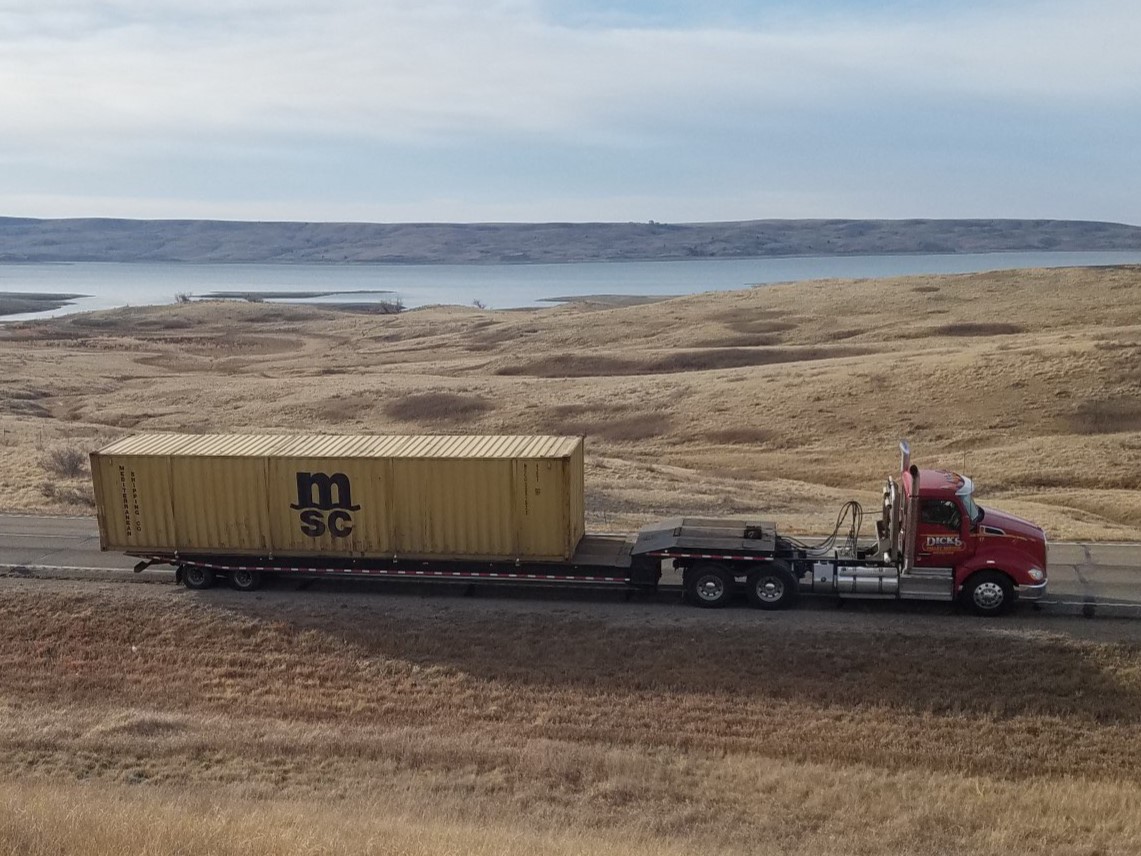
*Tilt-bed Landoll trailer with 40’ container*
| ***Please note: Super Cubes coordinates delivery only for containers we sell.*** *Moving containers independently introduces additional insurance and liability considerations, especially when containers are loaded.* |
| --- |
## Types of Shipping Container Truck Deliveries
There are several standard truck-based delivery options used throughout the container industry. The most common include tilt-bed trucks, flatbed trucks, chassis deliveries, and specialty equipment such as side-loaders or rotator trucks. Each option has advantages depending on site conditions and project requirements.
### Shipping Container Delivery by Tilt-Bed
Tilt-bed delivery is one of the most widely used methods for placing containers directly onto the ground. These trucks may be straight trucks or tractor-trailer combinations and are often selected when there is no lifting equipment available on site.
During delivery, the truck backs into position and tilts the trailer downward while a winch carefully slides the container onto the ground. This allows the driver to place the container relatively close to its final position, provided there is adequate straight-line access and clearance.
Tilt-bed delivery is commonly used on active jobsites for single-container placements or temporary storage solutions. While convenient, this method does have limitations. Tilt-bed trucks are generally more expensive than some alternatives and have lifting constraints, particularly with loaded containers. A lightly loaded 20-foot container may be picked up but loaded 40-foot containers cannot be lifted using this method.
*Video of a 20’ container being offloaded*
*Video of a 40’ container being offloaded*
## Shipping Container Delivery by Flatbed
Flatbed delivery is often used for industrial facilities, yards, and locations that have access to forklifts or cranes. Flatbeds can typically transport one 40-foot container or two 20-foot containers at a time, making them an efficient option for multi-container or long-distance deliveries.
With this method, containers are loaded onto the flatbed at the origin and lifted off at the delivery site using customer-provided equipment. Because flatbed trucks frequently haul other freight, this option can be a cost-effective choice for longer hauls. However, proper coordination is critical, as lifting equipment must be available at both pickup and delivery locations to avoid delays or additional costs.
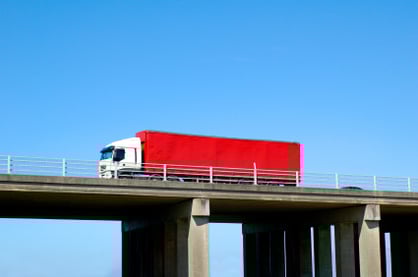
*Container on flatbed*
**Also Read:** [**Six Questions for a Smooth Container Delivery**](https://www.supercubes.com/blog/2013/04/6-questions-for-picking-your-container-delivery)
### Shipping Container Delivery by Chassis
Chassis deliveries are most commonly associated with ports, rail yards, and intermodal transportation. A chassis is a wheeled steel frame designed to carry shipping containers securely and is frequently used when containers are arriving from overseas or being transferred between terminals.
When delivered by chassis, the container remains on the frame during loading and unloading. This setup allows the tractor to disconnect if additional time is needed, which can be helpful in certain logistics scenarios. Chassis deliveries are also required for access into rail depots and shipping ports.
Containers delivered on a chassis sit at dock height and are not placed on the ground unless a crane is available. Removing a 40-foot steel container from a chassis requires crane-assisted lifting, making this option less suitable for final placement at ground level on most jobsites.

*Container chassis trailer*
*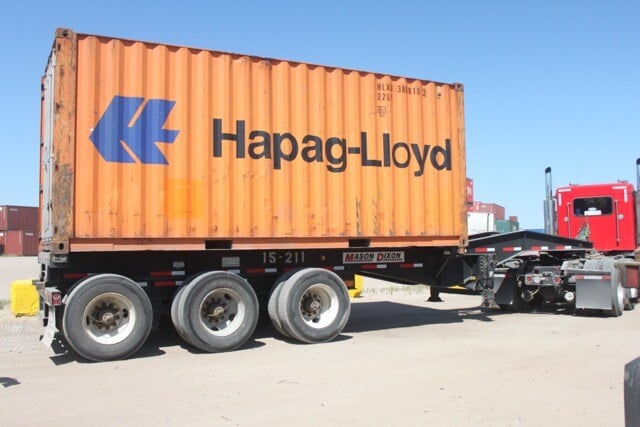*
*20' container on a chassis*
Find Out More About: [How To Move 20 Foot and 40 Foot Shipping Container](https://www.supercubes.com/blog/moving-full-containers-demystified)
## Side-Loaders and Rotator Trucks
Side-loaders and rotator trucks are specialized delivery options used when standard trucks cannot safely or efficiently place a container. Side-loaders use lifting arms on both ends of the container to set it down beside the truck, while rotator trucks function more like small cranes, lifting the container from a central point and rotating it into position.
These delivery methods are often selected for tight sites, restricted access areas, or situations where precise placement is required and straight-line access is limited. While they provide greater flexibility and eliminate the need for on-site lifting equipment, they typically come at a higher cost and may not be available in all markets.
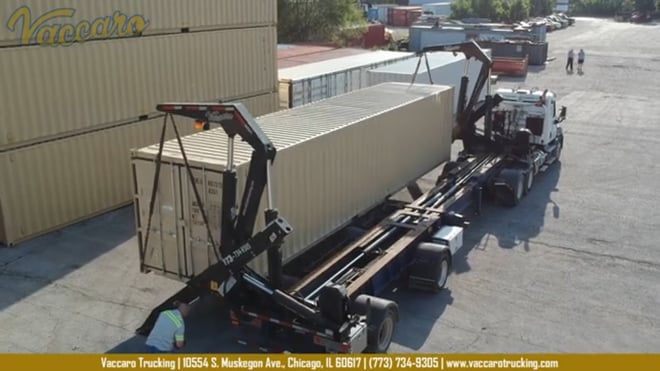
*A side sets a 40’ container down next to the truck*
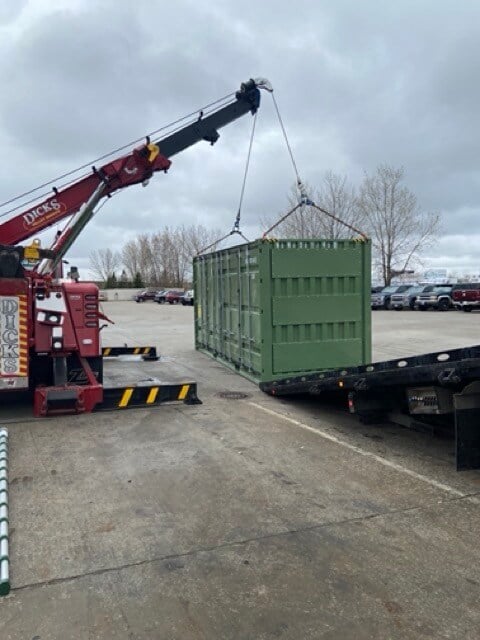
*A rotator is lifting a 20’ container*
## Choosing the Right Container Delivery Solution
### How do you know what type of truck is best for your container delivery?
The right truck for your shipping container delivery depends on several factors, like available space, ground conditions, how the container will be used and how precisely the container needs to be placed on site. Some trucks allow for simple drop-off, while others support a more controlled placement.
Understanding the different truck container delivery options we've listed above can help ensure your container arrives safely and is placed exactly where you need it. Working with an [experienced shipping container vendor](https://www.supercubes.com/blog/5-steps-to-verify-your-shipping-container-vendors-legitimacy) like Super Cubes, who understands these variables, can make the delivery process smoother from start to finish.
## Container Delivery FAQs
### How much space is needed for truck-based container delivery?
The exact space needed for your container delivery will vary by truck type, but all deliveries do require adequate clearance for the truck to maneuver and safely unload the container.
### When is a crane-assisted delivery required?
Crane-assisted container delivery is typically utilized when site access is limited, there are obstacles, or the container needs to be placed in a very specific position that a standard truck delivery can’t accommodate.
### What affects the cost of container delivery by truck?
Delivery costs can be influenced by distance, truck type, site conditions, container size, and any special equipment required for placement.
## Work With a Team That Handles Delivery Right
Container delivery involves more than just transportation. From selecting the appropriate truck to coordinating placement on site, experience matters. Partnering with a reliable shipping container vendor like Super Cubes, will help simplify your shipping container deliver and minimize potential delays.
Talk with our team today and get help choosing the right container and delivery method.
[](https://www.supercubes.com/hs/cta/wi/redirect?encryptedPayload=AVxigLJnqQUVKY6BuYilS9XZJoutgVeVGnYGHNTpRP2QvYPiOGIo0wzQvG3eJBXQT268FVZPB0Dha%2FafmwGHbpSfNluyUrqE9xeE8cvCuK3AekIuroTEJfvRFK8Q5eWOpmikEiSHQMK6Thik%2FBNZke7LQcvwOtENCXvLteMkX%2FrM%2FAqtLy7el3BirsTB9Sqgdmtx6TwLYEA%2BjVKIWVlzRxwiB1niV7g1Ew%3D%3D&webInteractiveContentId=187582018717&portalId=43892715)
*This is an updated blog that was originally published in 2024.*
---
[Super Cubes](https://www.supercubes.com/) is a family-owned business located in Minneapolis, MN, that provides containers anywhere in the continental US. We offer personalized service for individuals and businesses, providing [high-quality containers](https://www.supercubes.com/containers) at competitive prices. With nationwide facilities, we can modify and deliver containers close to you. [Contact our experienced team](https://www.supercubes.com/quote) for your next container project.
###### Tags:
[cago-worthy,](https://www.supercubes.com/blog/tag/cago-worthy) [Tilt-Bed](https://www.supercubes.com/blog/tag/tilt-bed)
Post by [Super Cubes](https://www.supercubes.com/blog/author/super-cubes)
October 10, 2024
#### [(877) 374-5452](tel:8773745452) | [(952) 283-2783](tel:9522832783) | [sales@supercubes.com](mailto:sales@supercubes.com)
#### **Our Hours:**
#### **Monday –Friday 8:00am – 5:00pm CST**
[](https://npsa.org/)
- [REQUEST PRICING](https://www.supercubes.com/quote)
- [FAQS](https://www.supercubes.com/faqs)
- [CONTAINERS](https://www.supercubes.com/shipping-container-sizes-for-sale)
- [MODIFICATIONS](https://www.supercubes.com/modifications-overview)
- [DELIVERY](https://www.supercubes.com/delivery-moving)
- [BLOG](https://www.supercubes.com/blog)
- [RESOURCES](https://www.supercubes.com/before-you-begin)
- [CONTACT US](https://www.supercubes.com/contact-information)
©2026 Super Cubes LLC. All rights reserved | [Privacy Policy](https://www.supercubes.com/privacy) | [Business Policies](https://www.supercubes.com/business-policies)
[](https://www.dmca.com/Protection/Status.aspx?ID=e566fb6f-55f9-46e7-94dd-7a05f83ef294&refurl=https://www.supercubes.com/)
-
-
-
```json
{
"@context" : "https://schema.org",
"@type" : "BlogPosting",
"author" : {
"@type" : "Person",
"name" : "Super Cubes",
"url" : "https://www.supercubes.com/blog/author/super-cubes"
},
"dateModified" : "2026-01-21T20:05:37.576Z",
"datePublished" : "2024-10-10T19:00:00.000Z",
"headline" : "Container Delivery Basics: Tilt-Bed, Flat-Bed, or Chassis",
"image" : [ "https://lh7-rt.googleusercontent.com/docsz/AD_4nXek_HS8s_mt61GsNoFFwlaRmxVT_NM6PQ-7V7VRwhflW-jPxDKrM3Ox6FstMLDIEEkwie1No2tKb2gjqDTFcofoK9M-VFaQwoqS4s7BPP7X4y3QOk3l73-3nMAxNE23dMv7QaaYRpz_EYuaTeQUDXHo7DvS?key=Nx2-4YJbVVgvrt7XXY-JmA" ],
"mainEntityOfPage" : {
"@id" : "https://www.supercubes.com/blog/container-delivery-basics-tilt-bed-flat-bed-or-chassis",
"@type" : "WebPage"
},
"publisher" : {
"@type" : "Organization",
"logo" : {
"@type" : "ImageObject",
"url" : "https://www.supercubes.com/hubfs/Logo_white_reduce.png"
},
"name" : "Super Cubes LLC"
}
}
```